
Dolny Śląsk kamper camping is one of the most rewarding combinations you can plan for a Polish road trip. Lower Silesia packs more variety into one region than most travellers expect: volcanic peaks, Gothic castles, thermal spa towns, and dense beech forests, all connected by roads that beg to be explored slowly, from the driver's seat of a campervan. Whether you are chasing the Owl Mountains, parking beside a medieval fortress, or working remotely from a pine forest clearing, this region delivers. In this article you will learn which campings genuinely welcome campervans, where to park for free legally, which attractions are easiest to reach by camper, and how an off-road setup changes what is accessible to you. Let's get into it.
Why Lower Silesia Works So Well for Campervan Travel
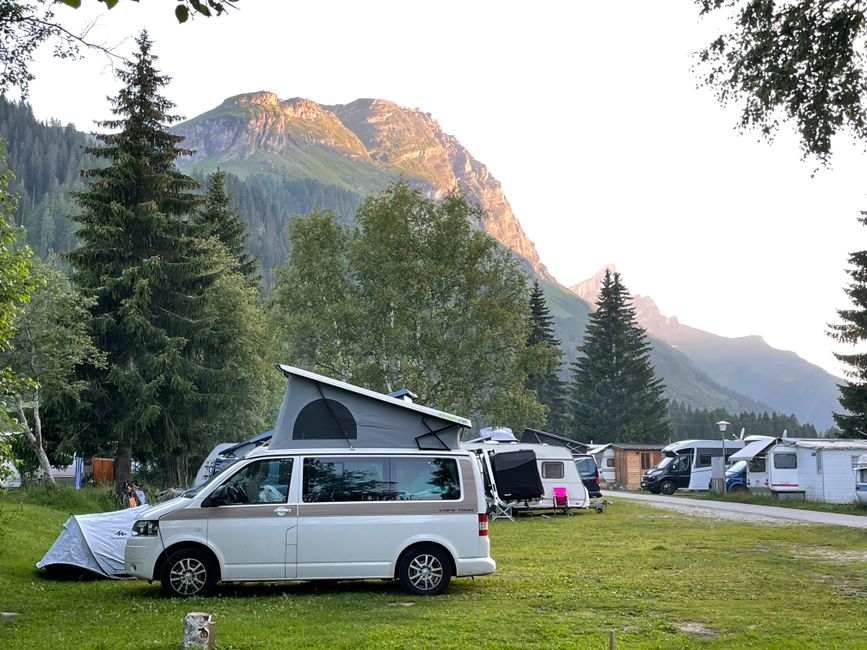
Lower Silesia sits in the southwestern corner of Poland, bordered by the Czech Republic and Germany. That geographic position matters for campervan travellers because the road infrastructure is solid, border crossings are effortless within the Schengen zone, and you can extend your trip into Bohemian Switzerland or the Saxon Switzerland National Park without changing your camper rental agreement.
The region covers roughly 20,000 square kilometres and holds more UNESCO-listed or heritage-listed sites than any other Polish region. According to the Lower Silesian Tourism Organisation, the area recorded over 7.8 million tourist overnight stays in 2024, a figure that has been climbing steadily. For a campervan traveller, that popularity is actually a reason to choose a camper terenowy rather than a standard motorhome: you can bypass the crowded town centres and reach viewpoints before tour buses arrive.
The climate also plays in your favour. The Sudeten valleys are warmer and drier than the mountains above them, so a campervan parked at 400 metres elevation in May or September is genuinely comfortable with the right heating system. The Truma D6E diesel heater found in the Nomad Camper rental van produces reliable warmth down to minus 20°C, which means shoulder season travel here is not just possible, it is actually pleasant.
- Excellent road network: A4 motorway connects Wrocław to Kraków and to the German border
- Short distances: from Wrocław to the Karkonosze mountains takes under 90 minutes
- Strong camping infrastructure: over 60 registered campsites in the region
- Low off-season crowds at most natural sites
Best Campings in Lower Silesia for Campervans
Not all campings are equal for campervan users. Some are optimised for tent campers and have low-hanging entry barriers or soft ground that is fine for a bicycle but will swallow a 3.5-tonne vehicle. Here are the sites that consistently work well for campers.
Camping Nad Łomnicą, Karpacz
Located at the foot of Śnieżka, the highest peak in the Sudeten range, this site has hardstanding pitches, electric hookups to 16A, and grey water disposal. It fills fast in July and August, so arriving Sunday to Thursday is recommended. The site is large enough to handle a kamper z oponami AT (napęd przedni) with a full rooftop solar array without clearance issues.
Camping Srebrna Góra
Positioned directly below the 18th-century fortress of Srebrna Góra, this camping is smaller and more rustic. It suits campervans that are self-sufficient because hookups are limited, but the location is extraordinary. The fortress can be reached on foot in 15 minutes from your pitch.
Eco-Camping Góry Sowie (Owl Mountains)
A newer facility near Walim, close to the underground Nazi tunnel complex known as Project Riese. Hardstanding, modern sanitary facilities, and a friendly approach to larger vehicles. The surrounding forest roads are unpaved and scenic, which is where an off-road camper earns its keep.
- Always call ahead in peak season (June–August) to confirm pitch dimensions
- Check that the entry gate height exceeds 3.2 metres if you have a rooftop installation
- Ask explicitly about grey water disposal, as some smaller sites lack it
- Use the interactive campervan map of Poland to find verified spots near your route
Wild Camping and Free Parking Spots
Poland's legal framework on overnight parking in campervans is nuanced. True wild camping (sleeping in a tent outside designated areas) is prohibited in national parks and most state forests. However, overnight parking in a self-contained motorhome is treated differently and is broadly tolerated in many locations as long as you do not light fires, leave waste, or stay more than two consecutive nights in the same spot.
Kluczowa informacja: Lower Silesia has two national parks: Karkonosze and Stołowe Mountains (Góry Stołowe). Overnight parking inside either park boundary is not permitted. The roads leading to the parks, however, have multiple legal laybys where parking overnight is fine and views are often just as spectacular.
Recommended Free Overnight Spots
- Przełęcz Okraj (Okraj Pass, 1044m): a large layby on the Czech border road with mountain panoramas
- Zbiornik Słup reservoir near Niemcza: wide gravel parking, flat terrain, peaceful setting
- Bardo Śląskie on the Nysa Kłodzka river: riverside parking area, free, used regularly by campervan travellers
- Czarne Góry forest road near Stronie Śląskie: gravel track with multiple clearings, suitable for off-road campervans
A GPS tracker like the ABC Track system fitted to Nomad Camper vehicles also helps you log where you parked and retrace good spots on future trips.
Top Attractions to Visit by Camper in Lower Silesia
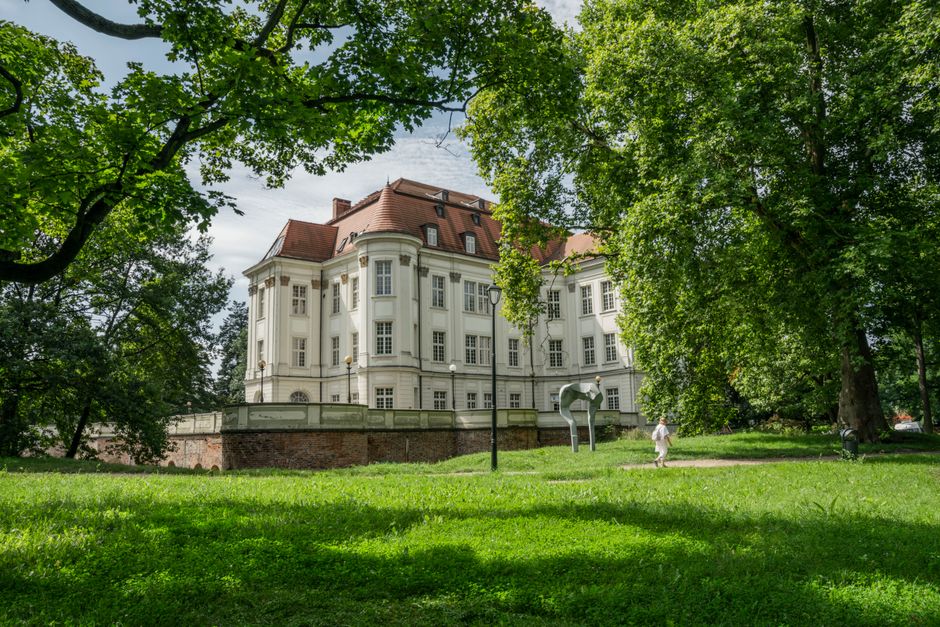
The real advantage of a campervan in Lower Silesia is timing. You arrive at Książ Castle before the tour groups, have breakfast overlooking the moat, and leave before the car park fees kick in. Here are the attractions that make most sense to approach by camper.
Książ Castle, Wałbrzych
The largest castle in Silesia and the third largest in Poland, Książ sits above forested gorges on a sandstone ridge. The camper parking area is located 800 metres from the main gate and is flat and spacious. Evening light on the castle walls is extraordinary. Visit on a weekday if possible.
Śnieżka Summit Road, Karkonosze
You cannot drive to the summit, but the road to Karpacz and then the ski lift base is accessible by camper. Parking at the Kochanówka area allows a 2.5-hour round trip on foot to the top. Industry estimates suggest Śnieżka receives over 300,000 visitors annually, making it the most visited peak in the Sudeten range.
Błędne Skały (Labyrinth of Rocks), Góry Stołowe
A surreal sandstone maze on the plateau, reached via the village of Karłów. Campervan parking in Karłów is free and has space for larger vehicles. The walk through the rocks takes about 45 minutes and is suitable for all fitness levels.
Złoty Stok Gold Mine
An underground gold mine with arsenic production history, now open as a tourist attraction. The parking area handles motorhomes and campers without issue. Combine this with a stop at Lądek-Zdrój thermal spa 12 kilometres south for a full day.
- Wrocław city centre: use the Parking Wschodni or camping at Wrocław Olimpijski for a base
- Czocha Castle near Leśna: photogenic lake-side fortress, popular for film shoots
- Krzywy Las (Crooked Forest) near Nowe Czarnowo: strange curved pines, a 20-minute stop
Off-Road Routes: Where a FWD camper with AT tires Opens New Doors
Most visitors to Lower Silesia stick to paved roads. That means the gravel tracks through the Sowie Mountains, the forest roads above Kłodzko Valley, and the border ridge trails above Duszniki-Zdrój are usually empty. A kamper off road with high clearance and all-terrain tyres accesses places that a standard hire car or touring motorhome simply cannot reach.
The MAN TGE 3.140 platform used by Nomad Camper has 215mm ground clearance, all-wheel drive, and pneumatic suspension that adjusts ride height. Combined with ARB Tred Pro recovery boards, it handles wet clay tracks, rocky forest paths, and the occasional flooded ford without drama.
Recommended Off-Road Loops
- Sowie Mountains Loop (approx. 45 km): Start from Walim, head through Jugowice on forest tracks, climb to Wielka Sowa peak road, descend via Przełęcz Walimska. Mix of gravel and hardpack.
- Śnieżnik Massif Track: Approach from Stronie Śląskie, take the forest road toward Czarna Góra ski area, continue on unpaved track to the Czech border viewpoint. Requires clearance of at least 200mm.
- Bory Dolnośląskie Forest Roads: Flat, sandy terrain northwest of Legnica. Less dramatic visually but excellent for wild overnight stops in dense pine forest.
According to ADAC motorhome travel data from 2025, off-road capable campervans report 40% more overnight spots available compared to standard motorhomes. That translates directly into fewer nights paying camping fees and more nights parked somewhere genuinely memorable.
Remote Work from a Campervan in Lower Silesia
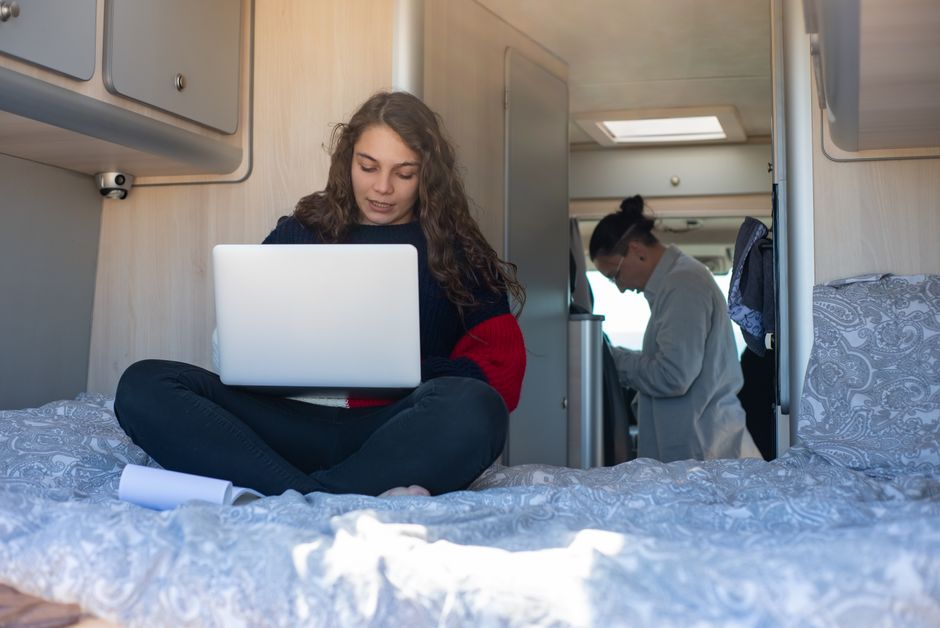
Lower Silesia has become a surprisingly strong location for digital nomads travelling by camper. The region's mobile network coverage is good on main roads and in valleys, but it drops sharply in the Sudeten peaks and deep forest. That is exactly where Starlink changes everything.
The Nomad Camper van carries a Starlink Mini dish that delivers 50 to 200 Mbps download speeds with a ping below 50ms, regardless of whether you are parked in a forest clearing above Kłodzko or on a layby on the Czech border road. Video calls work. Large file transfers work. Cloud-based software runs without interruption. You get the experience of a proper office, but with a view of beech forest or a castle ridge instead of an open-plan room.
The 405Ah LiFePO4 battery bank charged by 500W of roof-mounted solar and a Victron MultiPlus-II 3000W inverter means your laptop, monitor, phone, and coffee machine run for 2 to 3 days without any external hookup. In Lower Silesia in late spring or early autumn, the solar panels often top the battery back to 100% by early afternoon.
- Best remote work spots: Bardo riverside parking (calm, flat, good solar exposure), Srebrna Góra layby (forest, quiet), Zbiornik Nysa reservoir near Nysa (open sky, strong signal)
- Mobile backup: Play and Orange both have strong LTE coverage in the main Sudeten valleys
- Plan your work days around weather: cloudy days in the mountains drain battery faster, so schedule heavy compute tasks for sunny days
Practical Tips: Fuel, Water, Waste and Weather
A good podróż kamperem po Polsce requires more than just a great route. The logistics of fuel, water, and waste disposal determine whether the trip feels effortless or exhausting.
Fuel
Diesel is widely available throughout Lower Silesia. The Orlen network has stations in Wałbrzych, Kłodzko, Jelenia Góra, and Wrocław. Fuel prices near the Czech and German borders are sometimes marginally higher due to tourism demand. Fill up in Wrocław or Legnica before heading into mountain areas if you plan extended off-road driving.
Fresh Water and Grey Water
Most registered campings provide fresh water fill points. For free overnight stops, the best option is filling up at a camping before leaving. Lower Silesia's mountain streams are clean but should not be used without filtration for drinking. Grey water must be disposed of at designated points, never into streams or ditches. The campervan map of Poland lists disposal points across the region.
Weather Windows
May, June, and September offer the best conditions in Lower Silesia: warm enough for comfort, dry enough for off-road tracks, and quiet enough at popular sites. July and August are busy and thunderstorms build fast over the Sudeten peaks. Mountain weather can change in under 30 minutes, so check the ICM weather model for Poland rather than generic forecasts.
Frequently Asked Questions
Can I park a campervan overnight near Karkonosze National Park?
Yes, but not inside the park boundary. The laybys on road 367 between Karpacz and Przełęcz Okraj are outside the protected zone and are used regularly by campervan travellers. Arrive after 8pm and leave before 9am to avoid any friction with local rangers who patrol the approach roads during peak season.
Is Lower Silesia suitable for a campervan trip in winter?
It can be, but it requires preparation. Temperatures in the Sudeten valleys drop to minus 10 or minus 15°C in January and February. The Nomad Camper van handles this well with the Truma D6E diesel heater and Dometic FreshLight heating mode. Snow chains or winter tyres are legally required on some mountain roads between November and March. Camping infrastructure is mostly closed from November to April.
How much does renting a campervan for a Lower Silesia trip cost?
Camper wynajem cena at Nomad Camper starts from 400 PLN per night in low season and reaches 600 PLN per night in peak summer. A one-week Lower Silesia circuit typically costs between 2,800 and 4,200 PLN in rental fees, plus fuel. That covers Starlink internet, all off-road recovery equipment, and full kitchen setup. There is also a 5,000 PLN refundable security deposit returned within three business days of return.
Do I need a special driving licence to rent a campervan in Lower Silesia?
No special licence is required. The MAN TGE 3.140 falls under 3.5 tonnes gross vehicle weight, so a standard category B driving licence (the regular car licence) is sufficient. You do need at least two years of driving experience and be aged 21 or older to rent from Nomad Camper.
Plan Your Lower Silesia Campervan Trip
Lower Silesia rewards slow travel. The region's density of castles, volcanic peaks, spa towns, and forest tracks means a one-week circuit barely scratches the surface. A two-week route can comfortably cover the Karkonosze, the Sowie Mountains, the Kłodzko Valley, and the Wrocław area without feeling rushed. The key is having the right vehicle. A standard motorhome limits you to marked campsites and paved roads. An off-road capable camper with full energy autonomy and Starlink internet turns every forest clearing into a viable overnight stop and a functional workspace.
Three things to remember: book campings in advance for July and August, use the free overnight spots on border roads for the best mountain views, and plan your work days around solar output if you are combining travel with remote work.
Ready to explore Lower Silesia on your own schedule? Check availability and book your off-road campervan rental online at Nomad Camper. Pickup is in Szczecinek, and you can be in the Sudeten foothills in under three hours.