
Why the Baltic Coast Is One of Europe's Best Campervan Destinations
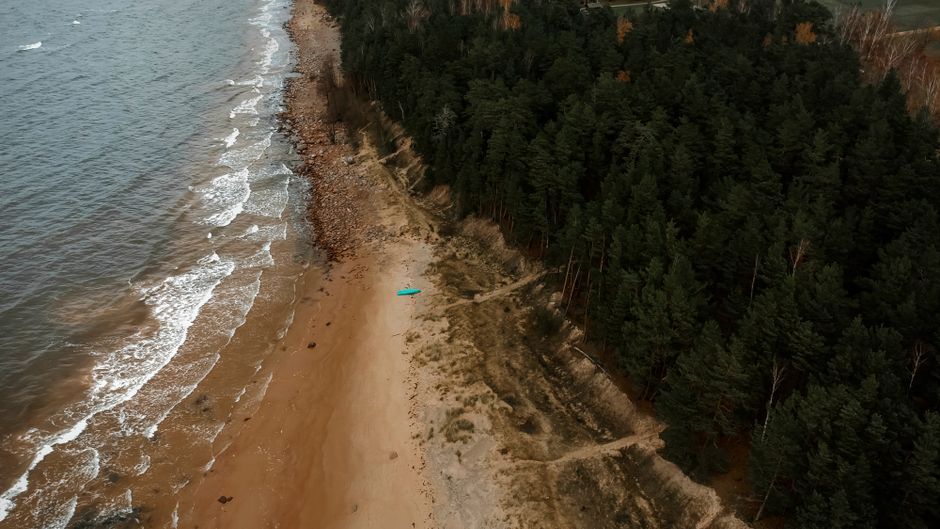
Campingi Bałtyk kamper trips are one of Poland's best-kept travel secrets. Picture waking up fifty meters from the shoreline, the smell of pine trees mixing with salt air, a fresh coffee brewing on your gas stove while the engine hasn't started in two days. That's exactly what the Polish Baltic coast offers, and it does it better than most people expect. In this article you'll learn which campsites are worth your time, how to find wild camping spots along the coast, what the Baltic route looks like from west to east, and how a kamper terenowy changes the game when the road turns to gravel. You'll also get practical tips on timing, costs, and what to pack. Let's get into it.
The Best Campsites Along the Polish Baltic Coast
The Polish coastline stretches roughly 770 kilometers from Świnoujście in the west to Krynica Morska in the east. Along that stretch, you'll find everything from large, well-organized camping resorts with full hookups to small family-run spots tucked behind dunes. Here are the areas that consistently deliver for campervan travelers.
Świnoujście and the Usedom Border Zone
At the western tip, Świnoujście sits on an island and offers direct ferry access. Campsites here, such as Camping Marina and Camping Relax, are open from May through September and provide water and electricity hookups. The beach is wide, the promenade is walkable, and the German island of Usedom is a ferry ride away. If you're doing a longer podróż kamperem po Europie, this is a logical entry or exit point.
Mielno, Łeba, and the Central Coast
Mielno sits between Lake Jamno and the sea, which means you get both freshwater and saltwater within two minutes of your pitch. Camping Mielno-Park is well-maintained and popular with German and Dutch campervan travelers. Łeba is home to the famous shifting Słowiński dunes, and the campsites here fill fast in July and August. Book ahead if you're going in peak season.
Hel Peninsula
The Hel Peninsula is a narrow strip of land jutting 35 kilometers into the sea. Campsites like Camping Morski in Jurata or smaller spots in Kuźnica offer sea views from both sides. But be aware: the single road in and out gets congested in summer. Arrive early or stay for multiple nights to avoid the traffic problem entirely.
Gdańsk Tri-City Area
Sopot, Gdynia, and Gdańsk together form one of Poland's most vibrant urban areas right on the water. Camping Sopot is one of the most famous sites in Poland and fills up weeks in advance. Alternatively, smaller sites in Gdańsk's Sobieszewo Island district give you nature and city access in the same trip. Gdynia also hosts the Open'er festival each year, which draws tens of thousands of visitors.
- Book Hel and Sopot campsites at least 6 to 8 weeks in advance for July and August
- Most campsites charge 80 to 150 PLN per night for a campervan pitch with electricity
- Many sites have a barrier or weight limit, so confirm your vehicle dimensions before booking
- Quieter shoulder season (May, June, September) cuts prices by 30 to 40 percent
Wild Camping and Off-Road Spots on the Baltic Shore
Formal campsites are great. But honest campervan travelers will tell you that the best nights happen away from the numbered pitches. The Baltic coast has pockets of forest and coastal access roads where a capable kamper z oponami AT (napęd przedni) opens doors that a standard motorhome simply cannot reach.
Strictly speaking, wild camping in Poland requires landowner permission or use of designated areas. But forest roads under State Forests (Lasy Państwowe) management allow overnight parking in many areas, as long as you follow leave-no-trace principles and don't start fires. The State Forests app lists designated forest parking spots, and some of the best are within 5 to 10 kilometers of the Baltic shoreline.
Between Darłowo and Ustka, a series of forest tracks run parallel to the coast through the Słowiński belt. With a kamper off road equipped with proper suspension clearance, you can reach pine groves 200 meters from the beach that no standard motorhome would attempt. The same applies to the area around Rozewie, the northernmost point of Poland, where gravel tracks lead to clifftop views.
Key information: Always carry the State Forests app (Las Polski) and check for any seasonal closures, especially during nesting season from March through June. Some coastal zones near nature reserves are completely off-limits for overnight stops.
- Rozewie cliffs: gravel access road, stunning sea views, 2 to 3 campers maximum before it feels crowded
- Bialogora forest tracks: pine forest right behind the dunes, State Forests managed
- Slowinski National Park buffer zone: check boundaries carefully, but nearby forest areas are accessible
- Krynica Morska peninsula tip: narrow roads, but views of the Vistula Lagoon and the Baltic simultaneously

Planning Your Baltic Campervan Route: West to East
The classic podróż kamperem po Polsce along the Baltic takes 7 to 14 days depending on how much you stop. Here's how a logical west-to-east route breaks down, starting from Szczecinek where Nomad Camper is based.
Days 1 to 3: Szczecinek to Świnoujście via the Drawsko Lakes
Pick up your campervan in Szczecinek and head northwest through Drawsko Pomorskie lake country before hitting the coast. Świnoujście gives you a gentle entry: organized, relaxed, and with good infrastructure. Spend a night or two here before turning east.
Days 4 to 6: Kołobrzeg, Darłowo, Ustka
This middle stretch is underrated. Kołobrzeg has a proper spa town feel with a long beach and a lighthouse. Darłowo is a small port with great fish at the harbor. Ustka is a favorite among Poles and feels genuinely local. Campsites are easier to book here than on the Hel Peninsula.
Days 7 to 10: Łeba, Słowiński National Park, Leba Dunes
Łeba is a highlight of any Baltic route. The shifting dunes inside Słowiński National Park are one of Europe's most unusual landscapes. You cannot drive into the park, but parking outside and cycling or walking in is straightforward. Campsites near Łeba are numerous and varied.
Days 11 to 14: Hel Peninsula, Gdańsk, and Back
Finish on the Hel Peninsula, then swing through Gdynia and Gdańsk before driving back south. According to data from Polskie Towarzystwo Kamperowe (PTKI), 2024, Baltic coast routes are the most popular domestic campervan destination in Poland, accounting for nearly 28 percent of all campervan trips taken by Polish travelers. That number has grown every year since 2020.
- Start in Szczecinek: pick up the camper, stock up on supplies
- Drive northwest to Świnoujście for the first coastal stop
- Head east along the coast, camping at Mielno or Darłowo mid-trip
- Spend two nights near Łeba for the dunes and Słowiński Park
- End at the Hel Peninsula or Gdańsk before returning south
What to Expect Costs-Wise: Campsites, Fuel, and Campervan Rental
Budget planning for a Baltic campervan trip is simpler than most people think. The main costs are the campervan rental, campsite fees, fuel, and food. Let's break each down honestly.
Wynajem kampera cena: A wynajem kampera terenowego from Nomad Camper starts at 400 PLN per day in the low season and reaches 600 PLN per day in peak summer. For a 10-day Baltic trip, that's 5,000 to 5,900 PLN for the vehicle itself. A 5,000 PLN refundable deposit is held and returned within 3 business days after your trip.
Campsite fees on the Baltic range from 60 PLN per night at small, no-hookup sites to 180 PLN at larger organized resorts with electricity, showers, and pool access. Budget 80 to 120 PLN average per night. For 10 nights, plan 800 to 1,200 PLN.
Fuel depends heavily on your route and driving pace. The MAN TGE 3.140 averages roughly 9 to 11 liters per 100 km of diesel. A 1,200-kilometer Baltic loop from Szczecinek and back costs approximately 600 to 750 PLN in fuel at current prices.
According to ADAC's 2024 campervan travel cost report, campervan holidays in Central and Eastern Europe are 30 to 45 percent cheaper than equivalent trips in Western Europe when factoring in campsite fees, fuel, and food costs combined. Poland specifically sits at the lower end of European campsite pricing.
- Total 10-day Baltic trip budget: approximately 8,000 to 10,000 PLN including rental
- Without rental (if you own a campervan): 2,000 to 3,500 PLN total
- Pre-book popular sites to avoid arriving at a full campsite
- Ile kosztuje wynajem kampera? At Nomad Camper: 500 to 600 PLN per day
The Right Campervan for Baltic Coastal Trips
Not every campervan handles the Baltic coast equally. Standard motorhomes do fine on main campsite roads, but the moment you want to park behind the dunes, find a forest track, or navigate a sandy access road after rain, you need something built for it.
The kamper do wynajęcia at Nomad Camper is a MAN TGE 3.140 with pneumatic suspension and off-road clearance. It's the only campervan rental in Poland combining full Starlink internet (50 to 200 Mbps, ping under 50ms), 405Ah LiFePO4 battery bank, 500W of solar, and genuine off-road capability. On the Baltic coast, this matters because:
- You can reach forest tracks near Rozewie or Białogóra without worrying about ground clearance
- The 2 to 3 day energy autonomy means you don't need hookups at paid campsites every night
- Starlink works in the middle of a pine forest, so remote workers can take their office to the sea
- The Truma D6E diesel heater with hot water makes late-season trips (May, September) genuinely comfortable
- The Dometic FreshLight 1400 air conditioning handles the occasional warm Baltic summer day
The 140×200cm fixed bed with the Froli system means you sleep flat every night, not at an angle across a converted dining area. Small detail, but after a week on the road it matters more than almost anything else. The Dometic 70L fridge keeps food fresh for the whole trip without needing to find a shop every day.
Industry estimates suggest that off-grid capable campervans now account for over 20 percent of all campervan rental bookings in Poland, a segment that barely existed five years ago. Travelers increasingly want the flexibility to park where they choose, not where hookup posts dictate.
Practical Tips for Camping the Baltic Coast
A few things that separate a smooth Baltic trip from a frustrating one, drawn from the experience of Nomad Camper clients who've done this route repeatedly.
Timing Is Everything
July and early August are the busiest weeks. Prices peak, campsites fill, and coastal roads turn into parking lots. The best windows are mid-May through June and the entire month of September. Weather is still reliable, the water is swimmable by late June, and you'll have entire campsite bays to yourself on a Tuesday evening.
Wind and Weather on the Baltic
The Baltic coast is exposed. Westerly and northwesterly winds can be strong, especially between Kołobrzeg and Łeba. Park with the side door away from the prevailing wind. The pneumatic suspension on the MAN TGE levels the vehicle automatically, which means a steady sleep even on uneven ground.
Resupply and Services
Fresh water and waste disposal are available at most organized campsites. If you're doing wild nights between sites, carry enough water for cooking and drinking (the camper holds 110L in the fresh tank). Grey water should be disposed of at official points, not poured onto forest ground.
- Download offline maps before leaving: Maps.me or OsmAnd cover forest tracks that Google Maps misses
- Buy fresh fish directly from harbor boats in Darłowo, Ustka, and Władysławowo
- Bring a bicycle or e-bike if possible: coastal paths are excellent and parking in towns is brutal in peak season
- Check sea temperature: Baltic water reaches 18 to 22°C in late July and August, genuinely swimmable
- The State Forests app (Las Polski) is free and shows legal overnight forest spots
Frequently Asked Questions
Is wild camping legal on the Polish Baltic coast?
Camping directly on the beach is not permitted anywhere along the Polish Baltic coast. However, overnight parking on State Forests land is allowed in many designated spots. The Las Polski app shows these locations. Always use the app to confirm, as some forest areas near nature reserves have specific restrictions.
How many days do I need for a Baltic campervan trip?
Seven days gives you a solid west-to-east run with key highlights. Ten to fourteen days allows you to slow down, explore forest tracks, and spend multiple nights at your favorite spots without rushing. A wynajem kampera na tydzień or longer is the most popular booking format for Baltic routes.
Can I use a large motorhome on the Hel Peninsula?
Yes, but with caveats. The Hel Peninsula road accommodates standard-length motorhomes, but the road gets extremely congested in July and August. Vehicle length over 8 meters can cause difficulties at some campsite entrances. The MAN TGE at just under 6 meters navigates easily. Arrive before 10am or after 6pm to avoid peak traffic.
What's the best campsite on the Baltic for families with children?
Camping Mielno-Park and Camping Marina in Świnoujście consistently receive high marks from families. Both offer playgrounds, shallow water access, and organized activities. Camping Sobieszewo near Gdańsk is excellent for families who also want city access without driving into central Gdańsk.
The Baltic Coast Deserves More Than One Trip
The Polish Baltic coast is genuinely one of Central Europe's finest campervan destinations. It has variety, it has nature, it has culture in Gdańsk and quiet in the dunes of Łeba, and it's accessible without crossing a border. Three things to take away: book popular campsites well in advance for July and August, the shoulder season from May to June and September is better in almost every way, and a capable kamper terenowy unlocks coastal forest spots that standard motorhomes simply cannot reach.
Nomad Camper's MAN TGE is ready and waiting in Szczecinek, with Starlink on the roof, full off-grid power, a proper bed, and everything you need for a week or two on the Baltic shore. Book your campervan rental online and pick a departure date before the summer slots fill up. The coast isn't going anywhere, but the best campsite spots will be gone by April.
Find spots on the campervan map
All campsites, camper parkings and dump stations mentioned in this article are available on our interactive campervan map of Poland and Europe — 1,000+ verified spots with addresses, ratings and one-tap navigation. Filter by region, category or search by name.