
Why Energy Autonomy Is the Real Test of Any Campervan
Campervan solar panels and energy autonomy are the difference between a vehicle you park in designated campsites with hook-ups and one that lets you sleep wherever the road ends. If you've ever pulled into a stunning spot by a lake in the Masurian region, only to leave at noon because your battery was dead and you needed a shower, you already know the pain this article is about to solve.
From this article you'll learn exactly how a modern solar power system works inside a campervan, what components actually matter, how to read real-world autonomy numbers without being fooled by marketing, and what genuine off-grid capability looks like in practice. You'll also see how the setup in the Nomad Camper MAN TGE compares to typical campervan builds on the market.
How Campervan Solar Panels Actually Generate Power
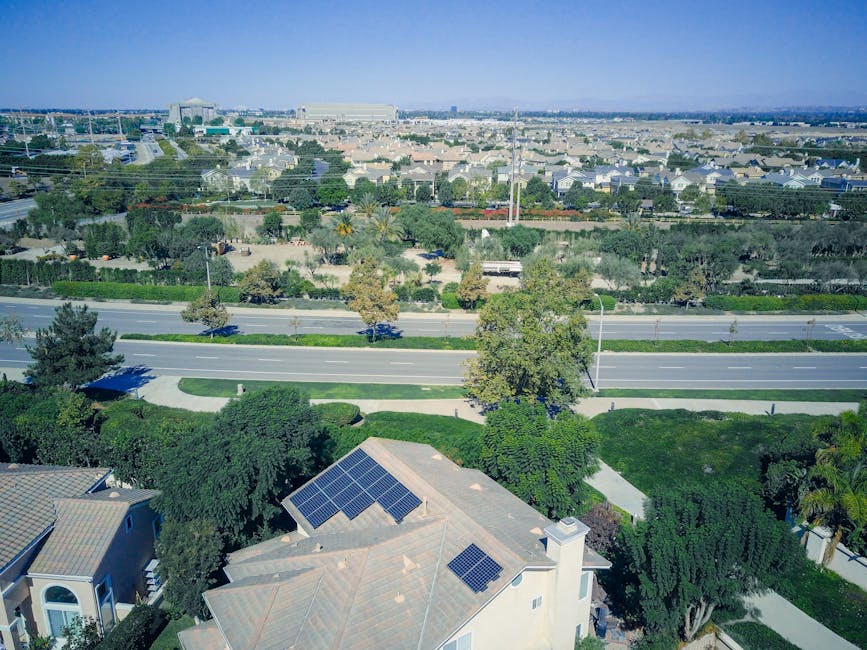
Solar panels on a campervan roof convert sunlight into direct current electricity. That's the short version. But the detail that matters for planning your trip is this: output depends heavily on panel wattage, the angle of the roof, cloud cover, and the time of year.
A single 100W panel under perfect conditions in southern Poland in July might deliver 400–500Wh per day. The same panel in October, with a flat roof angle, might deliver 150Wh. Neither number is wrong. Both are real. And that gap is exactly why serious off-grid builds don't rely on a single panel.
Panel Types and What They Mean for You
- Monocrystalline panels are the most efficient per square metre, which matters when roof space is limited. They perform better in low-light conditions than older polycrystalline designs.
- Flexible panels are lighter and easier to mount on curved roofs, but they degrade faster and usually have lower efficiency than rigid glass panels.
- Rigid framed panels like the Volt series used in the Nomad Camper setup are heavier but more durable, easier to keep clean, and more efficient over a longer lifespan.
The Nomad Camper MAN TGE runs a 500W solar array: one 305W panel and two 200W Volt panels. On a clear summer day at Polish latitudes, that array can realistically produce 1,500–2,000Wh. That's enough to run a 70L compressor fridge, charge laptops, power lighting, and still put a meaningful charge back into the battery bank.
Key fact: Panel wattage is the ceiling of what's possible, not a guaranteed daily output. The charge controller and battery state of charge determine how much of that potential you actually capture.
The Battery Bank: Where the Real Numbers Live
Solar panels produce power when the sun shines. Batteries store that power for when it doesn't. The size and chemistry of your battery bank determines how long you can stay off-grid between sunny days, and that's where most campervan buyers get misled by inflated specs.
LiFePO4 vs. AGM: A Practical Comparison
Traditional AGM lead-acid batteries are cheaper upfront but only usable down to 50% of their rated capacity before you start damaging them. A 200Ah AGM battery gives you roughly 100Ah of usable energy. A 200Ah LiFePO4 (lithium iron phosphate) battery gives you 180–190Ah of usable energy, charges faster, lasts four to five times longer, and weighs significantly less.
- AGM 200Ah: ~100Ah usable, 400–600 charge cycles, 25–30kg
- LiFePO4 200Ah: ~190Ah usable, 3,000+ charge cycles, 12–15kg
The Nomad Camper uses a 405Ah LiFePO4 Energoblock battery bank. That's approximately 380Ah of usable capacity. Running the fridge, lights, Starlink, and phone charging, you'll consume around 100–150Wh per hour in normal use. Do the math: you have 2–3 days of comfortable autonomy with zero solar input, and significantly more if the sun is cooperating.
That's not a marketing claim. It's a calculation based on actual power draw from the equipment installed. You can verify it yourself if you know the wattage of each appliance.
The Inverter and Charge Controller: The Brains of the System
Two components turn a collection of panels and batteries into a working power system: the MPPT charge controller and the inverter. Understanding what they do helps you evaluate any campervan's power setup properly.
MPPT Charge Controller
MPPT stands for Maximum Power Point Tracking. The controller sits between the solar panels and the battery bank, and its job is to extract the maximum possible power from the panels at any given moment, then convert it to the correct voltage for the batteries. A good MPPT controller can improve solar harvest by 20–30% compared to older PWM controllers. Nomad Camper uses the Victron MPPT, which is widely regarded as the most reliable unit available for van conversions.
Victron MultiPlus-II 3000W Inverter-Charger
The Victron MultiPlus-II 3000W does two things: it converts DC battery power to 230V AC so you can run normal household appliances, and it charges the batteries when connected to shore power. With 3,000W of continuous output, you can run a coffee machine, charge a drone, and use a laptop simultaneously without problems. The MultiPlus-II also switches between battery and shore power instantly, which means you can plug into a campsite hook-up without changing any settings inside the van.
This combination, Victron MPPT plus MultiPlus-II, is a professional-grade setup. It's what you'd find in a boat or a remote cabin, not just a weekend campervan.
Real-World Autonomy: What 2–3 Days Off-Grid Actually Means
Autonomy figures sound impressive until you realise they depend entirely on your consumption profile. So let's be specific about what 2–3 days of off-grid living actually looks like in the Nomad Camper.
Here's a realistic daily power budget for two people working and travelling:
- Dometic RC10.4T 70L fridge running continuously: ~40–60Wh per hour, so roughly 600–900Wh per day
- Starlink Mini with router: ~30–40W draw, roughly 200–300Wh per day if used 6–8 hours
- Laptop charging (two laptops): ~150Wh per day combined
- LED lighting, phone charging, USB devices: ~80Wh per day
- Truma D6E diesel heater fan (not the heating element itself): ~20Wh per day
- Dometic FreshLight 1400 air conditioning: 250–400W when running, but typically not run for many hours off-grid
Total without air conditioning: roughly 1,200–1,600Wh per day. With 380Ah usable and a nominal voltage of 12.8V, that's around 4,864Wh available. Divide by your daily consumption and you get 3–4 days of true autonomy without any solar input at all.
Add a clear summer day with 1,500Wh of solar harvest and you're essentially running indefinitely. That's what campervan solar panels and energy autonomy look like when the system is sized correctly.
What Drains Your Power Fastest (and How to Manage It)
Knowing your autonomy ceiling is useful. Knowing what destroys it faster than anything else is more useful. Because the number one mistake people make in off-grid campervans is underestimating their high-draw appliances.
The Big Consumers
- Air conditioning is the single largest power draw in any campervan. The Dometic FreshLight 1400 pulls 250–400W when cooling actively. Running it for four hours uses more power than everything else combined in a day. In practice, you use it strategically: cool the van down in the evening, then switch to the Maxxfan ventilator overnight.
- Induction cooktops are convenient but brutal on batteries. A single cooking session can use 500–800Wh. That's why the Nomad Camper uses a Solgaz gas cooktop instead. Gas cooking has zero impact on your battery bank.
- Hair dryers and kettles are 1,200–2,000W appliances. One kettle boil costs 100–150Wh. One hair drying session can cost 300–500Wh. These are fine when connected to shore power. Off-grid, you plan around them.
Simple Habits That Extend Autonomy
- Set your fridge to 5–6°C instead of 2°C. The compressor runs less often.
- Use the Starlink in bursts rather than leaving it on all day. 6 hours of active use vs. 14 hours idle saves 100Wh.
- Park with the solar panels facing south when stationary. Even a 20-degree difference in sun angle changes daily harvest by 10–15%.
- Charge laptops midday when solar production peaks and the battery bank is already near full.
These aren't sacrifices. They're habits that take about a week to become automatic, and after that you stop thinking about power management at all.
Campervan Solar vs. Shore Power: When You Need Which
A good off-grid system doesn't mean you refuse to ever plug in. It means you choose when to plug in, rather than being forced to. That's the practical definition of energy autonomy for a rental campervan used for both adventure travel and remote work.
Shore power makes sense when you're spending more than three days in one location, running the air conditioning heavily in summer heat, or you have a high workload that means running two laptops and video calls for 10+ hours a day. In those cases, a campsite hook-up costs a few euros per night and removes all power anxiety completely.
Solar autonomy makes sense when you're moving through areas without campsite infrastructure, wild camping legally in the Bieszczady or the Baltic coast, attending events like Pol'and'Rock in Kostrzyn where power access is limited, or simply when you want to wake up by a forest lake without anyone else around.
The Victron MultiPlus-II handles the transition between both modes automatically. You plug in, it charges. You unplug, it switches to battery. No settings to change, no switches to flip. The system manages itself.
For those considering longer journeys through Poland, the Carpathians, or across into Slovakia and Czech Republic, this flexibility is not a nice-to-have. It's what makes the difference between a rigid itinerary and a genuine adventure. You can read more about planning longer routes on the Nomad Camper blog.
Frequently Asked Questions
How many solar panels do I need for a campervan to be truly off-grid?
For comfortable two-person living with a fridge, internet, laptop charging, and lighting, you need a minimum of 300W of solar combined with at least 200Ah of LiFePO4 battery capacity. 400–500W of solar paired with 400Ah of lithium gives you genuine multi-day autonomy in most European conditions. Below these numbers you're dependent on regular driving or shore power to top up.
Can campervan solar panels charge batteries on a cloudy day?
Yes, but at significantly reduced output. On a heavily overcast day in Poland, a 500W array might produce 100–200Wh total instead of 1,500–2,000Wh. That's enough to offset some consumption but not enough to fully recharge a depleted bank. Cloudy conditions are why battery bank size matters as much as panel wattage: your batteries carry you through multiple cloudy days until the sun returns.
Does driving charge the campervan battery bank?
Most campervans include a DC-DC charger or a split-charge relay that draws power from the vehicle alternator while driving. In a well-configured system, two hours of highway driving can add 50–100Ah to the leisure battery bank. The Nomad Camper MAN TGE includes alternator charging as part of the integrated power system, so driving is a legitimate way to top up alongside solar.
Is LiFePO4 safe in a campervan?
LiFePO4 (lithium iron phosphate) is the safest lithium chemistry available. Unlike lithium-ion cells used in phones and laptops, LiFePO4 does not go into thermal runaway under normal conditions, does not catch fire if punctured, and operates safely across a wide temperature range. It's the chemistry of choice for marine, off-grid, and EV applications where safety is non-negotiable.
The Bottom Line on Campervan Solar Panels and Energy Autonomy
Three things determine whether a campervan is genuinely off-grid or just off-grid in marketing copy: the size of the solar array, the capacity and chemistry of the battery bank, and the quality of the charge controller and inverter. Get all three right and you have 2–3 days of autonomy in winter conditions and effectively unlimited autonomy in summer. Get one of them wrong and you're planning your route around power outlets.
The campervan solar panels and energy autonomy setup in the Nomad Camper, 500W solar, 405Ah LiFePO4 Energoblock, Victron MultiPlus-II 3000W and MPPT, is built to the standard you'd find in a serious off-grid installation, not a budget camper conversion. It's the reason you can work from a forest clearing in the Bieszczady on Starlink at 150 Mbps and still have a cold beer from the fridge at the end of the day.
If that sounds like the kind of trip you want to take, the camper is ready when you are. Check availability and book your dates at Nomad Camper and we'll have everything charged and ready for pickup in Szczecinek.