
Why Packing a Campervan Is Different From Packing a Suitcase
Knowing how to pack a campervan properly can make the difference between a relaxed two-week trip and a frustrating, cluttered experience where you can never find what you need. A campervan is not a hotel room on wheels. Space is limited, weight distribution matters, and you need every centimeter to work for you. Pack too much and you block access to your bed, your kitchen, and your sanity. Pack too little and you're running to a supermarket every other day for things you forgot.
In this article you'll learn exactly what to bring on a two-week campervan trip, how to organize it all inside a compact living space, what gear you actually need versus what sounds useful in theory, and a few tricks that experienced campers use to keep things tidy on the road. Whether you're renting a fully equipped off-road camper or building your own kit, this list will save you time and stress before departure.

The Golden Rule: One Bag Per Person, Plus Shared Storage
Before you even think about what to pack, decide on your system. The most practical approach for a two-week campervan trip is simple: one soft-sided bag per person for clothing, plus a shared set of boxes or crates for everything else. Hard-sided suitcases are a nightmare in a camper. They don't compress, they scratch surfaces, and they rarely fit under beds without a fight.
Soft duffel bags or compression packing cubes are your best friends here. They squeeze into odd-shaped spaces, stack easily, and you can grab exactly what you need without unpacking the whole vehicle.
Storage Zones to Set Up Before You Leave
- Under-bed storage: heavy items that you don't need daily, like tools, spare fluids, and extra water containers
- Overhead cabinets: lightweight items, snacks, maps, and things you reach for often
- Kitchen drawers: cooking utensils, spices, and small food items grouped by use
- Under-seat compartments: shoes, folded jackets, and items you grab when stepping outside
- Cab area: sunglasses, documents, phone mount, and anything you need while driving
Kluczowa informacja: Label every box or crate with masking tape and a marker. After three days on the road, memory gets fuzzy and labels save arguments.
If you're renting a camper like the Nomad Camper MAN TGE 3.140, the interior is already built with logical zones: the Lagun folding table stows flat, the 140x200cm bed stays fixed so you never need to convert it, and Mobiframe swivel seats free up floor space when you're parked. Work with the existing layout rather than fighting it.
Clothing: How Much Is Actually Enough for Two Weeks
Most people overpack clothes. It happens every time. You imagine every possible scenario, the fancy dinner in town, the rainy hiking day, the beach afternoon, and suddenly you're hauling 14 shirts for a 14-day trip. In reality, a campervan trip means casual clothes, layers, and functional fabrics that dry fast.
The Recommended Clothing List Per Person
- 5 to 6 T-shirts or light tops, preferably merino wool or synthetic blend
- 2 pairs of hiking or travel pants (one for warm days, one for cooler weather)
- 1 pair of shorts
- 1 lightweight fleece or hoodie
- 1 waterproof jacket (non-negotiable, even in summer)
- 7 pairs of underwear and socks (enough to go a week between washes)
- 1 set of sleepwear or comfortable lounge clothes for evenings in the van
- 1 pair of walking shoes and 1 pair of sandals or camp shoes
- A packable hat and a buff or light scarf
That's it. Two weeks fits comfortably into a medium 40-liter duffel. Plan one or two hand-wash sessions mid-trip for base layers and you'll never feel like you're running short. Most campsite facilities and motorway stops have laundry access too.
Avoid jeans if you can. They're heavy, slow to dry, and take up space. Cargo pants or lightweight travel trousers give you the same coverage with a fraction of the bulk.
Kitchen and Food Supplies for Campervan Life
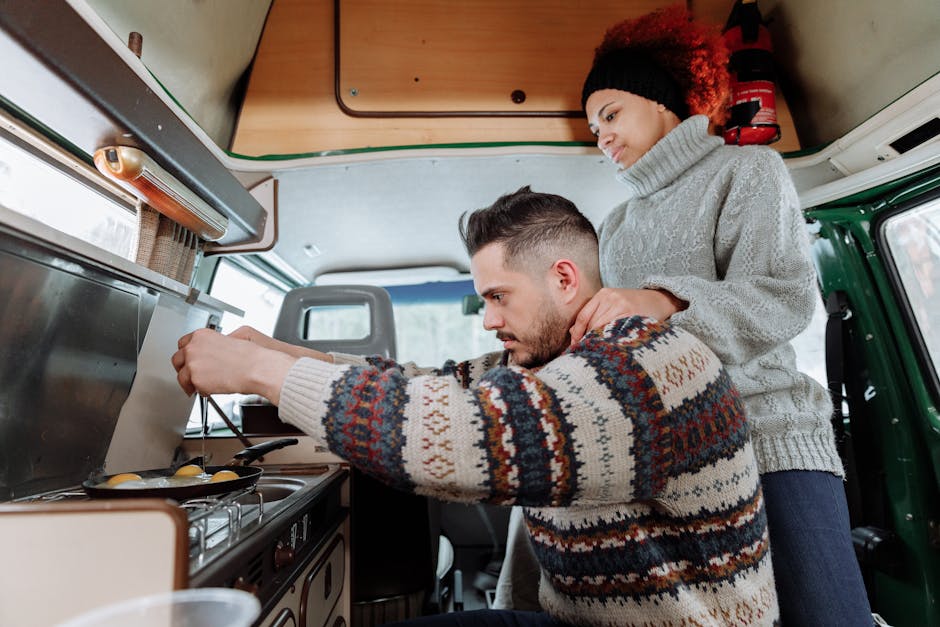
Cooking in a campervan is genuinely one of the best parts of the experience. You eat when you want, where you want, and you're not paying restaurant prices for two weeks straight. But a good camp kitchen depends on bringing the right items and not duplicating things that a well-equipped rental already provides.
What a Fully Equipped Rental Camper Includes
If you're renting the Nomad Camper, the kitchen already has a Solgaz gas hob, a grill, and a Dometic RC10.4T 70L fridge. You don't need to bring your own cooking hardware. What you do need to add:
- A sharp chef's knife (camp knives are rarely good enough)
- A small cutting board
- Reusable food containers in different sizes
- Spice kit in a small pouch: salt, pepper, smoked paprika, garlic powder, chili flakes, olive oil
- Dish soap, a sponge, and a small drying towel
- Reusable bags and beeswax wraps for storing open food
- A good thermos for coffee and a cafetiere or Moka pot if you're particular about your morning brew
Food Strategy for Two Weeks on the Road
Don't try to pack all your food upfront. It won't fit and fresh produce doesn't last two weeks anyway. Instead, do a solid shop for the first three or four days: eggs, pasta, rice, canned tomatoes, canned beans, fresh vegetables, cheese, bread, and snacks. Restock at local markets along the route. Shopping locally is cheaper, the food is fresher, and you discover things you'd never find in a supermarket at home.
Kluczowa informacja: A 70L fridge holds a surprising amount when you pack it strategically. Put drinks in a separate cooler bag if you have one, and use the fridge exclusively for food. It stays colder and more organized.
Tech, Power, and Connectivity Gear
Two weeks off the beaten track doesn't have to mean two weeks offline. But how you handle your tech setup determines whether the trip feels free or stressful.
If you're renting a Nomad Camper, connectivity is already handled. The van comes with a Starlink Mini satellite internet system included in the rental price. That's 50 to 200 Mbps with a ping under 50ms, even in forests, mountains, or along the Baltic coast. You can video call, stream, or work remotely without hunting for campsite Wi-Fi or burning through your phone data.
The power system, 405Ah LiFePO4 Energoblock batteries, 500W of solar panels, and a Victron MultiPlus-II 3000W inverter, means you have two to three days of full autonomy even without sun. Your devices will always have power.
Personal Tech to Bring
- Laptop or tablet if you work remotely, with a compact stand for ergonomics
- Phone with offline maps downloaded (Maps.me or Google Maps offline work well)
- A universal travel adapter if you're crossing borders
- Headphones for music, podcasts, or calls while the other person sleeps
- A small Bluetooth speaker for evenings outside
- Camera or action camera if you want to document the trip properly
- Power bank as a backup for hikes away from the van
Skip the travel router, the portable solar panel, and the power station. When you rent a fully equipped off-grid camper, that infrastructure is already built in and far more powerful than anything portable.
Safety, Navigation, and Off-Road Essentials
A two-week trip that goes off-road, even partially, requires a safety mindset. You don't need to pack like you're crossing the Sahara, but a few items are non-negotiable, especially if you're driving on forest tracks, mountain roads, or loose gravel in places like the Bieszczady or the Karkonosze foothills.
- Paper maps of the regions you're visiting, as a backup when your phone dies or signal drops in a valley
- A first aid kit with at least: blister plasters, antiseptic wipes, pain relief, allergy tablets, and a crepe bandage
- Insect repellent, particularly for Mazury and Bieszczady in summer
- Sunscreen SPF50+ and lip balm
- A headtorch per person, with spare batteries
- A fire extinguisher (a good rental camper should already carry one)
- Emergency contact list printed on paper, not only stored in your phone
The Nomad Camper already comes fitted with ARB Tred Pro recovery boards, Intrak roof bars with Hella Luminato lighting, and an ABC Track GPS system so the vehicle's position is monitored at all times. That covers most off-road recovery scenarios. What you add on top is personal safety gear for you and your travel companions.
Kluczowa informacja: Download offline maps for your entire route before you leave. Do it while you're still on home Wi-Fi. It takes ten minutes and saves enormous frustration when you're trying to navigate a forest track with no signal.
Hygiene and Bathroom Basics
This is the section most people underplan. A campervan bathroom is compact by design, and two people sharing it for two weeks need a clear system to keep it functional.
The Essentials List
- Toothbrush, toothpaste, floss
- Shampoo and conditioner in small reusable bottles, not full-size
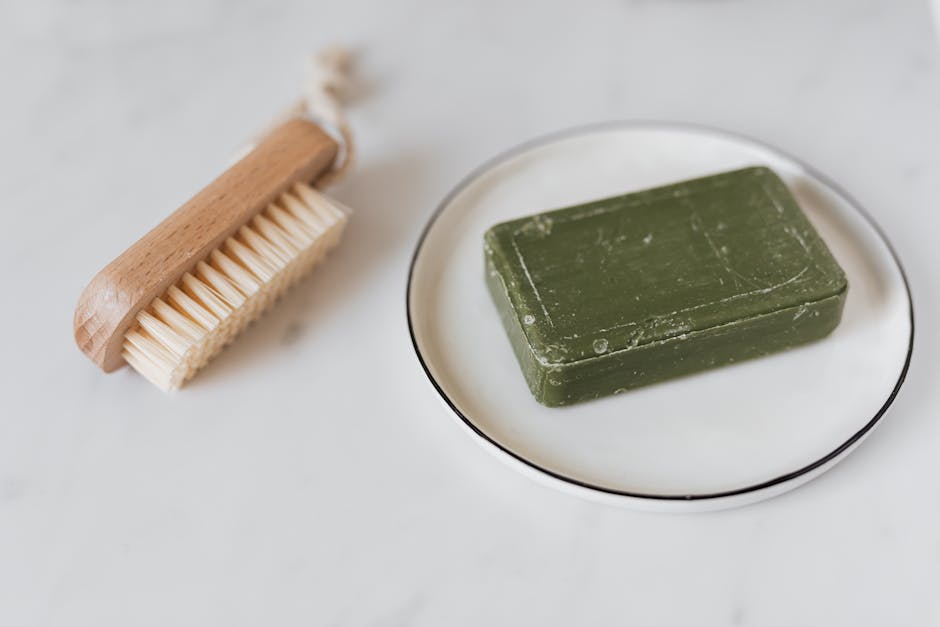
- Solid soap bar or small liquid soap (takes less space and doesn't spill)
- Deodorant
- Razor and shaving foam if needed
- Sunscreen
- Towels: two per person, one standard and one quick-dry microfibre for outdoor use
- Toilet paper, at least four rolls to start
- Biodegradable wet wipes for quick cleanups between shower stops
- Feminine hygiene products if relevant
- Any prescription medication, with enough supply for the full trip plus a few extra days
The Nomad Camper has a Dometic CT4110 cassette toilet and a Maxxfan roof vent for airflow. The Truma D6E diesel heater includes a boiler for hot water. You won't be roughing it. But even with good onboard facilities, campsite showers are worth using every couple of days to conserve your grey water tank and give yourself a proper wash.
Keep all toiletries in one zippered pouch per person. Nothing derails a morning routine faster than hunting through the entire van for your toothbrush.
Najczęściej zadawane pytania
How many clothes should I pack for a 2-week campervan trip?
For two weeks in a campervan, pack 5 to 6 tops, 2 pairs of trousers, 1 pair of shorts, 7 sets of underwear and socks, one fleece, and one waterproof jacket per person. Plan one mid-trip wash at a campsite laundry and you'll have more than enough without overfilling the van.
Do I need to bring cooking equipment if I rent a campervan?
A fully equipped rental camper like the Nomad Camper already includes a gas hob, grill, and fridge. You only need to add personal items like a good knife, spice kit, reusable containers, and coffee-making equipment. No need to bring pots, pans, or a portable stove.
How do I keep a campervan organized over two weeks?
The key is assigning a fixed home for every item before you leave. Use labeled crates or boxes for shared gear, one bag per person for clothing, and keep daily-use items in accessible overhead cabinets. Spend five minutes tidying before every drive and the van stays manageable throughout the trip.
What should I leave at home when packing a campervan?
Leave behind hard-sided suitcases, more than one pair of jeans, full-size toiletry bottles, items with single use like a dedicated yoga mat or formalwear, and any gear that duplicates what the rental camper already provides. Every item you exclude is space and weight you gain back.
Final Thoughts and What to Do Next
Knowing how to pack a campervan well comes down to three things. First, accept that less is more. A two-week trip genuinely fits into less gear than you think, and a lighter van is easier to drive, easier to live in, and easier to keep clean. Second, assign every item a fixed place before you leave, not after you've already loaded the van. Third, let the camper itself do the heavy lifting. A properly equipped rental gives you internet, power, climate control, cooking, and sleeping sorted. Your job is just to fill in the personal details.
From our clients' experience, the trips that go best are the ones where people arrive with less stuff and more flexibility. You don't need to plan every meal or every night. Leave room for a detour, a lakeside sunset you didn't expect, or a morning when you simply don't want to move.
If you're ready to plan your two-week trip and want a campervan that handles the off-grid side so you don't have to, take a look at what Nomad Camper offers. The MAN TGE 3.140 is available for rental from Szczecinek and covers everything from the Masurian Lakes to the Tatra foothills. Check availability and book your campervan for two weeks before the best dates fill up.