
Can You Really Run a Business From a Campervan?
The digital nomad campervan office is no longer a fantasy reserved for influencers posting sunsets on social media. It is a practical, tested setup that real people use to hit deadlines, join video calls, and manage clients, all while parked next to a Mazury lake or deep in the Bieszczady forest. The catch? You need the right vehicle, the right gear, and a clear plan. In this article you will learn exactly how to organize a mobile office that does not compromise your work quality, what internet and power solutions actually work in the Polish wilderness, how to stay ergonomic so your back does not collapse after week one, and which destinations in Poland are perfect for this lifestyle.

The Foundation: Internet That Works in the Middle of Nowhere
Ask any remote worker what their biggest fear is when thinking about van life, and the answer is almost always the same: losing internet connection right before a client call. It is a fair concern. Standard mobile data in Poland drops to near zero the moment you leave the main road. That is why the internet setup in your digital nomad campervan office is the single most important decision you will make.
The setup that actually solves this problem is Starlink. Not because it sounds impressive, but because the numbers back it up. Starlink Mini delivers 50 to 200 Mbps download speeds with a ping below 50ms, even when you are parked in a forest clearing with no town in sight. That is more than enough for 4K video calls, uploading large files, and running cloud-based software simultaneously.
At Nomad Camper, the Starlink Mini is included in the rental price. You do not need to bring your own hardware, configure anything, or pay extra. You park, open the laptop, and you are online.
For backup situations, it is worth having:
- A local SIM from Play or T-Mobile with a 100GB+ data plan as a secondary connection
- A mobile router that can aggregate two connections (e.g., GL.iNet Slate AX)
- Offline copies of critical documents and project files synced the night before
- Scheduled calls during daylight hours when connectivity is typically most stable
Key information: Starlink works best with a clear sky view of about 100 degrees. Park in open clearings rather than under dense tree canopy for the best signal.
Power for Days: Running Your Office Without a Campsite Hook-Up
A laptop, a monitor, a router, lights, a coffee maker and possibly a phone charger or two. The average remote worker draws between 150 and 300 watts per hour of active work. Multiply that by an eight-hour workday and you are looking at 1,200 to 2,400 watt-hours of daily consumption. Most campervans simply cannot handle that.
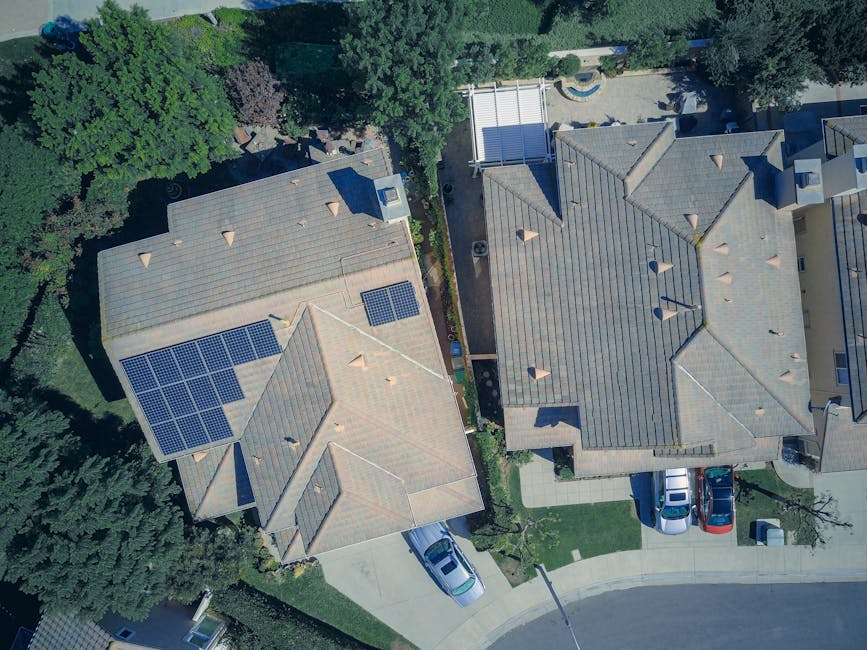
But the right off-grid build can. The Nomad Camper MAN TGE 3.140 carries a 405Ah LiFePO4 Energoblock battery bank managed by a Victron MultiPlus-II 3000W inverter-charger paired with a Victron MPPT solar controller. On top of the roof sit 500 watts of solar panels: one 305W panel and two 200W Volt panels. In practical terms, this means:
- 2 to 3 days of full autonomy without any sunlight at all
- Full recharge in 4 to 6 hours of good sun during spring and summer
- Shore power top-up option when you do pass through a campsite
- Enough power to run the Dometic FreshLight 1400 air conditioning while you work during hot Polish summers
LiFePO4 chemistry matters here. Unlike lead-acid batteries, lithium iron phosphate holds its voltage flat across the discharge cycle, meaning your laptop charger and router get stable power right until the battery reaches its cutoff. No voltage sag, no random reboots during important calls.
Practically speaking, a sunny day in Poland from May to September will more than cover your daily work consumption. You wake up, work eight hours, the panels recharge while you work, and you end the day with more energy than you started.
Ergonomics and Workspace Design Inside a Van
Here is the part most people skip when planning a mobile office, and then regret within the first three days. Van interiors are small. Sitting hunched over a laptop on a fixed bench for eight hours will hurt your neck, your lower back, and eventually your productivity. Good ergonomics inside a campervan are not a luxury. They are a requirement if you plan to work more than a weekend.
The Desk and Seating Setup
The Nomad Camper interior uses a Lagun table mount, which allows the table to swing, extend, and position at different heights. Combined with Mobiframe rotating seat bases, you can turn the cab seats to face the living area and create a workspace that resembles a small home office more than a van. The fixed 140x200cm bed stays made up, so you never lose floor space to folding furniture.
For your own gear, bring:
- A laptop stand that raises the screen to eye level (Nexstand or Roost are packable options)
- A compact Bluetooth keyboard and mouse to keep your wrists neutral
- A USB-C monitor if your work involves design, code review, or spreadsheets
- A good quality headset with noise cancellation for calls
Lighting for Video Calls
Natural light from a large roof window looks great on camera. But when you are parked under trees or it is overcast, a small ring light or a foldable LED panel makes the difference between looking professional and looking like you are in a basement. The Hella Luminato interior lighting in the Nomad Camper is warm and even, which helps, but a dedicated call light is still worth packing.
Temperature Control While Working
Poland in July inside a parked van can reach 35 degrees Celsius. The Dometic FreshLight 1400 handles both cooling and heating, drawing power from the battery bank. For warm days, combine it with the Maxxfan roof vent to create airflow without running the compressor at full load. For winter work sessions, the Truma D6E diesel heater with its integrated hot water boiler keeps the interior warm without consuming meaningful electrical energy.
Managing Your Schedule and Routine on the Road
Working from a campervan is not the same as working from a hotel room. You have more freedom, which means you also need more self-discipline. The biggest mistake people make is treating every day as a mix of work and sightseeing without a clear boundary between the two. That leads to neither being done properly.
A routine that works well for most digital nomads in a campervan looks like this:
- Wake up and drive to your next location in the early morning before 9am, when roads are quiet and scenery is best
- Park by 9am and settle into your workspace before the workday starts
- Work in two focused blocks: 9am to 1pm and 2pm to 5pm, with a proper lunch break
- After 5pm, explore, hike, swim, or simply sit outside with a coffee
- Plan the next day's location the evening before and check Starlink signal forecasts
Time zones matter too. If you work with clients in the UK, US, or Asia, calculate the overlap hours and protect them. That is non-negotiable work time. Everything else is flexible.
Key information: Move no more than 100 to 150km per day if you want to maintain full work productivity. Longer drives eat into work time and leave you tired for the afternoon session.
The Best Polish Destinations for Digital Nomads in a Campervan
Poland is genuinely one of the best countries in Europe for campervan-based remote work. Fuel is cheaper than in Germany or Scandinavia, wild camping is broadly tolerated outside protected areas, and the landscape variety is remarkable. Here are the destinations that combine natural beauty with practical van life conditions.
Mazury Lake District
The Mazury region in northeast Poland is the classic choice. Hundreds of lakes, quiet forest roads, and long summer days. Starlink works perfectly here because the terrain is flat and open. Park near Mikolajki or Gizycko for access to town amenities while staying in nature. Best months: June through August.
Bieszczady Mountains
In the southeast corner of Poland, Bieszczady offers dramatic, sparsely populated landscapes with almost no tourist infrastructure, which is exactly why it works. The roads are challenging, which is where the MAN TGE 3.140's all-terrain suspension earns its keep. The ARB Tred Pro recovery boards and Intrak roll bar with Hella Luminato spotlights make late evening arrivals to remote spots safe and practical.
Baltic Coast
Working with the sea in front of you never gets old. The stretch between Leba and Mierzeja Helska has flat parking areas, clean air, and enough wind to keep summers comfortable. If you time your trip outside the peak July-August weeks, you can often park right on the dunes.
Sudety Mountains
If you prefer cooler temperatures and Central European forests over flat lake landscapes, the Sudety range near the Czech border is excellent. The terrain demands a capable vehicle, and the views from the plateau roads reward every kilometer.
For those who want to combine work with festival culture, events like Pol'and'Rock in Kostrzyn nad Odra or Open'er in Gdynia are natural anchors around which to build a longer nomad trip through Poland. Check current campervan availability before booking your festival dates, as demand spikes significantly in summer.

Frequently Asked Questions
Can I really work full-time from a campervan in Poland?
Yes, and many people do. The key requirements are reliable internet (Starlink solves this), sufficient battery power for your devices and climate control (405Ah LiFePO4 covers a full workday comfortably), and a disciplined daily routine. Poland's road network and the variety of free or low-cost overnight spots make it practical for weeks or months at a time.
How fast is the Starlink internet inside the Nomad Camper van?
Starlink Mini in the Nomad Camper delivers 50 to 200 Mbps download speeds with a ping below 50ms in most locations across Poland. This is enough for simultaneous 4K video calls, cloud file uploads, and background software updates. Performance is best in open terrain with a clear view of the sky.
What happens if I need to charge the batteries on a cloudy day?
The 500W solar array on the roof is the primary charging source. On overcast days, charging is slower but still occurs. The Victron MultiPlus-II also allows shore power charging at any campsite with a hook-up. In practice, the 405Ah battery bank provides 2 to 3 full days of autonomy without any solar input, so a few cloudy days in a row do not cause problems.
Is the Nomad Camper suitable for winter remote work trips?
Yes. The Truma D6E diesel heater keeps the interior warm down to extreme low temperatures without draining the battery bank significantly. The Dometic FreshLight 1400 also provides heating as a secondary option. Many clients use the van for winter work trips to the Tatra foothills or Bieszczady, where snow adds to the atmosphere without compromising functionality.
Final Thoughts and Next Steps
Setting up a digital nomad campervan office that genuinely works comes down to three things. First, internet you can rely on for calls and deadlines, not just casual browsing. Second, power that outlasts your workday without sending you hunting for a campsite plug. Third, an ergonomic workspace that does not destroy your body over a multi-week trip. The Nomad Camper MAN TGE 3.140 was built with exactly these three priorities in mind: Starlink Mini included in the price, 405Ah LiFePO4 with 500W solar, and a Lagun table setup with rotating seats that gives you a real desk, not a laptop balanced on your knees.
Poland has some of Europe's most rewarding remote work landscapes. Mazury, Bieszczady, the Baltic coast, and the Sudety are all within a day's drive from Szczecinek, where the van is based. You can read more about planning your route in our travel guides on the blog.
If you are ready to stop planning and start working from somewhere worth looking at, check availability and lock in your dates. Book your Nomad Camper digital nomad trip now and bring your office wherever the road takes you.