
Planning a kamper Bałtyk trasa along Poland's Baltic coast is one of those ideas that sounds perfect on paper and turns out even better in reality. Imagine waking up with salt air coming through the roof vent, brewing coffee while the Baltic waves break 50 metres away, and knowing your entire office fits in your pocket thanks to Starlink in the van. This route, running roughly 500 kilometres from Świnoujście on the German border all the way to the tip of the Hel Peninsula, packs in some of the most varied coastal scenery in Central Europe. In this article you'll learn the best stops along the way, where to park overnight without hassle, how many days you actually need, and why a kamper terenowy beats a regular motorhome on this stretch of road.

Why the Baltic Coast Is Perfect for a Campervan Trip
The Polish Baltic coast runs for about 770 kilometres in total, and the stretch from Świnoujście to Hel is the crown jewel of it. The road never strays far from water. You get Wolin Island's wooded cliffs, the endless white-sand beaches of the Słowiński Coast, the amber-rich shores near Gdańsk, and finally the Hel Peninsula, a needle of land barely a few hundred metres wide in places. No single type of landscape dominates. That variety is exactly what makes podróż kamperem po Polsce along this coast so rewarding.
But there's a practical argument too. The road network is good enough that you're never stuck, yet rural enough that wild overnight spots are still easy to find. There are no mountain passes, no extreme gradients, and in spring or autumn the tourist crowds thin out dramatically. A well-equipped kamper z oponami AT (napęd przedni) or capable van opens up the forest tracks behind the dunes that regular motorhomes simply can't access.
- Paved coastal roads plus dozens of unpaved forest tracks
- Multiple national parks: Woliński, Słowiński, Trójmiejski
- Good supermarket access every 30 to 50 kilometres
- Mild temperatures from May through September, cold but beautiful October
- Strong 4G and full Starlink coverage across the entire route
Kluczowa informacja: The Słowiński National Park, home to the famous moving sand dunes near Łeba, bans motorised vehicles inside the park boundary. Plan your overnight spot just outside the gates and walk or cycle in the next morning.
How Many Days Do You Need for the Full Route
The direct driving distance from Świnoujście to Hel is roughly 500 kilometres. At highway speed you could cover it in five hours. But this is a kamper Bałtyk trasa, not a transit run. You should budget at minimum seven days, and ten to fourteen days lets you actually breathe.
Here's how the time breaks down across four broad stages:
- Świnoujście to Kołobrzeg: 2 nights minimum, 3 if you want Wolin Island properly
- Kołobrzeg to Trójmiasto: 2 nights, with a stop near Łeba for the dunes
- Gdańsk, Sopot, Gdynia: 2 nights in or near the Tri-City
- Hel Peninsula and return: 1 to 2 nights depending on season
If you're thinking about wynajem kampera na tydzień, you can absolutely do a condensed version: skip one of the urban stages or cut the Hel return. But honestly, wynajem kampera na 2 tygodnie gives you the trip you'll actually talk about for years.
Remote workers on a wynajem kampera na miesiąc arrangement have it even better. With Starlink Mini delivering 50 to 200 Mbps and a ping under 50ms, you can work full days from a dune forest parking spot and still have afternoons free for the beach.
Stage 1: Świnoujście to Kołobrzeg — Cliffs, Dunes and Quiet Bays
Świnoujście sits at the western tip of the Polish coast, connected to the mainland via a ferry crossing a few minutes long. It's a calm, elegant resort town with a wide promenade and a lighthouse you can climb for views over the river mouth. Most campervan travellers start their kamper Bałtyk trasa here, take the ferry east and immediately enter Wolin Island.
Wolin Island and Woliński National Park
Wolin is underrated. The western shore has steep moraine cliffs dropping directly into the sea, and the park's interior holds European bison. The forest roads here are firm gravel, perfectly manageable in a standard van. Drive the cliff road between Międzyzdroje and Wisełka for the best views, park near the bison reserve, and spend the afternoon on foot.
Kołobrzeg: the Unofficial Capital of the Polish Riviera
Kołobrzeg marks the halfway point of this first stage. It's a proper town with supermarkets, a historic lighthouse, a long pier, and a very good Saturday market for fresh fish and local produce. There's a municipal campsite 2 kilometres from the beach, or you can use one of the forest clearings south of the town accessible with a capable van.
- Top stop: Niechorze lighthouse, one of the tallest in Poland
- Beach to visit: Dziwnówek, unusually wide and rarely crowded outside July
- Fuel note: fill up in Kołobrzeg before heading east, prices jump at tourist stops
Stage 2: Kołobrzeg to Trójmiasto — Long Beaches and Forest Tracks
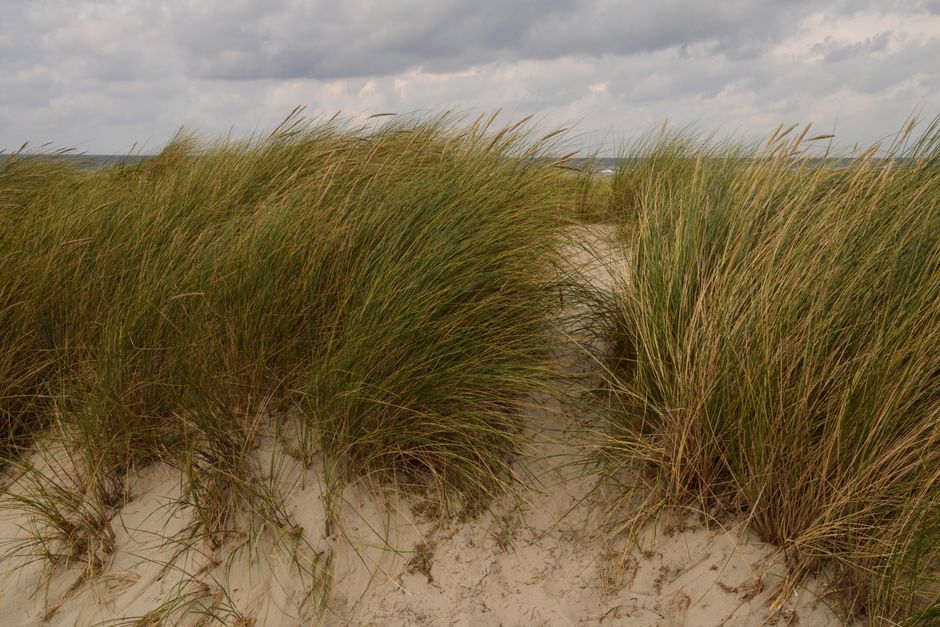
This middle section covers about 200 kilometres and contains the most wild and remote stretches of the entire Baltic coast. The Słowiński National Park is the headline act. The moving sand dunes near Łeba are genuinely surreal, a desert landscape sitting between dense pine forest and open sea, shifting a few metres eastward every year.
Darłowo, Ustka and the Fishermen's Coast
Before Łeba, take time in Darłowo and Ustka. Both are old fishing ports with colourful boat harbours and smoked fish stands that put supermarket versions to shame. The parking along the harbour in Darłowo is good for an overnight stay, often with local fishermen leaving before dawn and back by midday.
Łeba and the Moving Dunes
Park south of Łeba at one of the designated lots outside the park boundary. The walk to the main dune field takes about 45 minutes. Go early morning or late afternoon for the best light and to avoid the summer crowds. Back at the van, the forest tracks along the Łeba River offer some of the best undisturbed overnight spots on the entire route.
East of Łeba, the coast becomes the Lębork hinterland before opening again near Władysławowo, gateway to the Hel Peninsula. But before you commit to Hel, the Tri-City stretch deserves its own stop.
- Best overnight spot: pine forest clearings on the southern shore of Lake Łebsko
- Shopping: Ustka has the most complete supermarkets between Kołobrzeg and Gdynia
- Note on road quality: some tracks between Ustka and Łeba are loose sand. ARB Tred Pro boards in the van mean you don't worry.
Stage 3: Gdańsk, Sopot, Gdynia — Urban Coast Done Right
The Tri-City is where the kamper Bałtyk trasa gets urban for the first time. Gdańsk, Sopot and Gdynia run together along the Bay of Gdańsk in a 50-kilometre strip. Each has a distinct personality, and together they form one of the most interesting urban stretches in Poland.
Gdańsk: Amber, History and the Old Town Waterfront
Gdańsk's Long Market and Crane Gate are postcard material. Parking a campervan near the old town is possible but requires planning. The Stogi district, about 6 kilometres from the city centre by tram, has a large parking area near the beach that works well as a base. The amber market near Green Gate is worth a visit even if you're not buying.
Sopot: Poland's Party Town With a Good Beach
Sopot has the longest wooden pier in the Baltic, a good concert venue (the Forest Opera hosts events all summer including high-profile Polish and international acts), and a beach that gets very busy in July. Come in May or September for a different experience entirely. Overnight van parking near Sopot is best handled by using the paid lot at the northern end of the beach promenade.
Gdynia: Modern Harbour and Museum Ships
Gdynia feels different from the other two cities. It was built almost entirely in the 1930s in a clean modernist style, and its South Pier has two museum ships including the sailing frigate Dar Pomorza. The Open'er music festival takes place in Gdynia every summer, and if your trip overlaps you'll find many other vanlifers in the parking areas nearby.
Stage 4: The Hel Peninsula — Europe's Most Dramatic Sand Spit
The Hel Peninsula is only 35 kilometres long but it concentrates more character per kilometre than almost anywhere else on the Baltic. The road runs dead straight down the spine of a strip of land that is in some places no wider than the road itself plus a row of pine trees. On your left, the open Baltic. On your right, the sheltered Puck Bay. The contrast is remarkable.
Jastarnia and Kuźnica: The Heart of the Peninsula
Jastarnia is the main settlement on the peninsula and has a proper fishing harbour, a few good restaurants and one of the most popular windsurfing beaches in Poland. The bay side is shallow and warm, perfect for families. The sea side is colder and more exposed. Kuźnica, a little further east, is quieter and has better overnight parking options for campervans.
Hel Town: The End of the Road
The town of Hel sits right at the tip of the peninsula. There's a seal rescue station, a fishermen's harbour, and the strange quiet that comes with being at the end of something. The ferry back to Gdańsk or Gdynia runs several times daily in summer, which means you can leave the van in Hel and return without backtracking 35 kilometres.
Kluczowa informacja: In July and August, the single road onto the Hel Peninsula can be closed to additional vehicles once the peninsula reaches capacity. Plan to arrive before 9am or after 6pm to avoid being turned back.
- Best beach: the sea-facing beach just north of Hel town, fewer crowds than Jastarnia
- Best food: smoked flatfish at the harbour in Hel, bought directly from fishing boats
- Return option: take the ferry to Gdynia and drive back to Szczecinek via the inland route
Overnight Parking and Off-Grid Camping on the Baltic
One of the most common questions about kamper wynajem trips along the coast is: where do you actually sleep? Poland has no explicit right to roam like Scandinavia, but attitudes to discreet van camping in forest areas are generally relaxed outside national park boundaries.
With Nomad Camper's setup, 405Ah LiFePO4 batteries, 500W of solar and the Truma D6E diesel heater, you're genuinely self-sufficient. Three full days without shore power or hookup is realistic. That means you're not dependent on campsites, which gives you access to spots no motorhome catalogue lists.
Practical Rules for the Baltic Coast
- Avoid national park interiors: Woliński and Słowiński are strictly protected
- Forest tracks managed by the State Forests (Lasy Państwowe) are generally tolerated for one-night stops
- Coastal dune areas outside parks are usually fine for one night if you leave no trace
- Municipal campsites in towns cost 60 to 120 PLN per night and provide shore power if you need it
- Apps like Park4Night and iOverlander have active communities with real coordinates
The GPS tracker standard in the van also means Nomad Camper can assist with recovery if you somehow get properly stuck on a forest track, though with ARB Tred Pro recovery boards on board, that scenario is rare.
Najczęściej zadawane pytania
How much does it cost to rent a campervan for the Baltic coast route?
With Nomad Camper, wynajem kampera cena starts at 400 PLN per day, rising to 600 PLN per day in peak season. A ten-day trip along the Baltic runs roughly 5,000 to 5,900 PLN for the vehicle, plus fuel (plan for around 10 to 12 litres per 100km in a MAN TGE 3.140), food and any campsite fees. Starlink internet is included in the price, which removes one significant expense if you're working remotely.
Is a FWD campervan with AT tires necessary for the Baltic coast route?
Strictly speaking, no. The main road along the coast is paved the whole way. But a kamper terenowy with good ground clearance and capable tyres opens up the forest tracks behind the dunes and pine forests that make the best overnight spots. Regular motorhomes stay on tarmac. A capable van gives you options they simply don't have.
Can I do this route with children?
Yes, and it's one of the better family routes in Poland. The Stałe łóżko 140×200cm with the Froli spring system sleeps two adults comfortably; the Nomad Camper is for 2 people (+ dog). The route has gentle terrain, excellent beaches and plenty of family-friendly attractions including the Hel seal station and the bison reserve on Wolin Island.
What is the best time of year for the Baltic campervan route?
Late May, June and September are the sweet spots. The weather is good, the beaches are uncrowded, and the wild camping spots are available without competition. July and August bring reliable warmth but also significant tourist traffic, especially on the Hel Peninsula. October is cold but the light is extraordinary and the coast feels completely different, quiet and dramatic in equal measure.
Ready to Drive the Baltic Coast?
The kamper Bałtyk trasa from Świnoujście to Hel is one of the most rewarding road trips in Central Europe. You get cliffs, dunes, fishing harbours, amber beaches, a world-class city cluster, and a geographical oddity at the tip of the Hel Peninsula, all connected by a road that rarely disappoints. With the right vehicle, a self-contained setup and no obligation to check into campsites every night, this trip is everything a campervan journey should be. Nomad Camper's MAN TGE gives you 405Ah of battery, Starlink in the middle of a pine forest, a proper bed and recovery gear in case the forest track gets interesting. All from 400 PLN per day, collected in Szczecinek, ready for the coast.
Dates fill quickly, especially for June, July and August. Book your Baltic coast campervan rental now and secure your slot before someone else takes the week you had in mind. Questions first? Call +48 666 607 545 or visit our campervan rental page for full specs and availability.